Select Page

Pinter Review: Brewing Fresh Beer at Home

Mar 12, 2026 | Beer, Home Brew

Pinter Review: Is It Worth It for Fresh Beer at Home?

I first wrote about the Pinter several years ago when the system was originally launched by The Greater Good Fresh Brewing Co, a startup based in East London. At the time, the idea was immediately appealing: an all-in-one beer brewing system for the home that promised fresh beer on tap without the full complexity of traditional homebrewing.

Since then, a few things have changed. The brand has been simplified and is now simply called Pinter, and the machine itself has clearly gone through some refinement too.

Recently I had the chance to try the newer version of the Pinter, so this felt like a good moment to revisit the concept properly. Rather than leaving my original post as a first-impressions piece from years ago, I wanted to replace it with something more useful: a real updated Pinter review based on brewing and drinking with the newer system.

My first brew with this version was Public House IPA, an English-style IPA, and overall the experience has been a good deal smoother than it was with the original machine.

If you are wondering whether the Pinter is actually any good, whether it is easy to use, and whether the beer is worth drinking once all the brewing is done, here is my updated take.

Finally Getting Around to Brewing

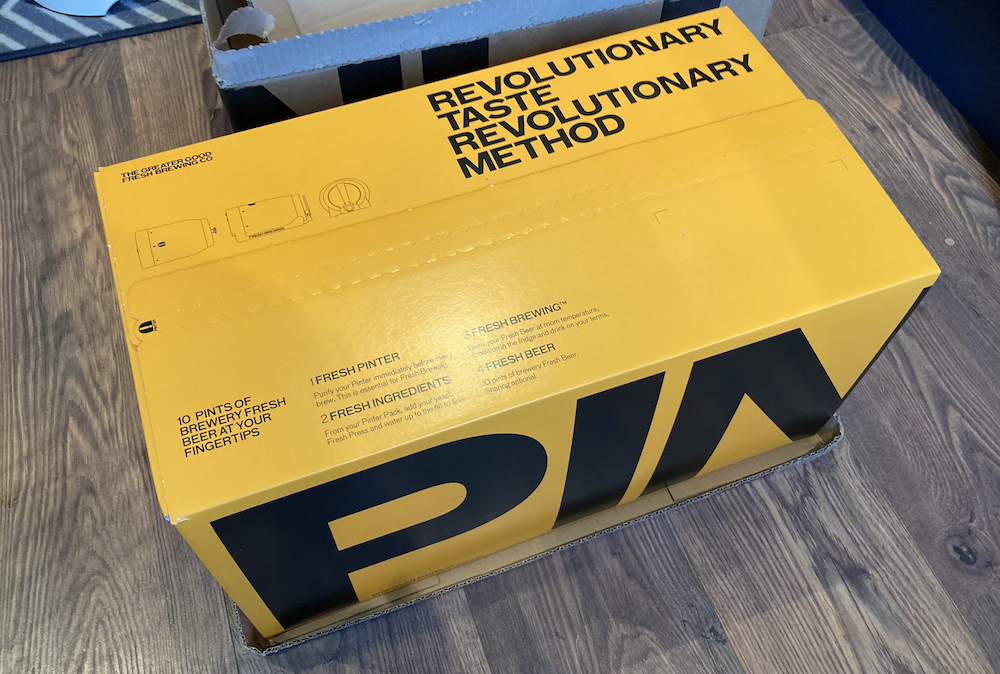
A Pinter

I actually received the new Pinter quite a while ago, but life got in the way of getting started with it straight away.

At the time there was quite a bit of building work happening at home, which made brewing anything a bit impractical. Then shortly after that I ended up going away to New Zealand for two or three months, so the Pinter sat patiently waiting while all of that played out.

By the time I came back and things settled down again, it was winter, which in some ways turned out to be quite a good time to start. While the Pinter is doing its brewing stage on the dock, it benefits from being kept somewhere cooler, and I have a small bike store at the front of the house that works rather well for that. It is basically a little garage space and stays cooler than indoors, so it is actually a better place for the brewing stage than the kitchen.

So although there was a delay in getting started, the timing ended up being more helpful than inconvenient.

Choosing the First Brew

For my first batch with the new Pinter I went with Public House IPA, an English IPA that I bought separately.

It was not just one of the packs that happened to come with the machine. I picked it because it felt like a sensible starting point: a familiar beer style, not too fussy, and one that should make it fairly obvious whether the system is doing what it is supposed to do.

If the result tasted fresh, balanced and properly carbonated, that would be a pretty good sign that the Pinter was on the right track.

Thankfully, that is more or less exactly what happened.

First Impressions of the New Pinter

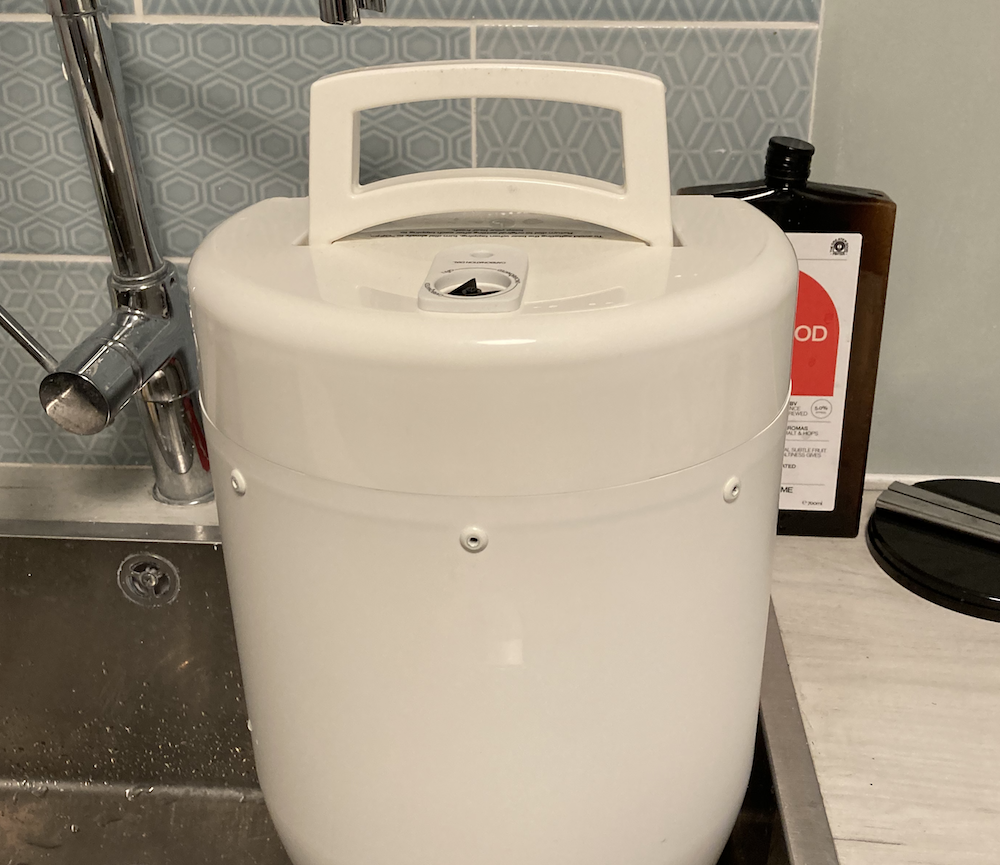
At first glance, the new Pinter looks a little chunkier than the original one I had. It appears slightly fatter somehow, and the shape makes it seem more substantial when it is sitting on the counter.

That said, I do not think it is massively bigger in any meaningful sense. It feels more like the same sort of internal size, but with a revised shape and perhaps better insulation. It is not so much that there is more of it, just that it has been rethought a bit.

The overall impression is of something more refined. It feels like Pinter has removed a few of the faffy bits from the earlier design and concentrated on making the remaining parts better. There seems to be less unnecessary complication, but the bits that are there feel more solid and higher quality.

That is probably the most noticeable difference from the original. The first one had moments where it felt a touch plasticky and slightly more fragile than you might like. This newer version feels sturdier and more assured.

A Much Better Brewing Dock Experience

One of my biggest frustrations with the original Pinter was the process of fitting it onto the brewing dock. I often found it awkward, fiddly and more difficult than it really ought to have been.

With this version, that has improved hugely.

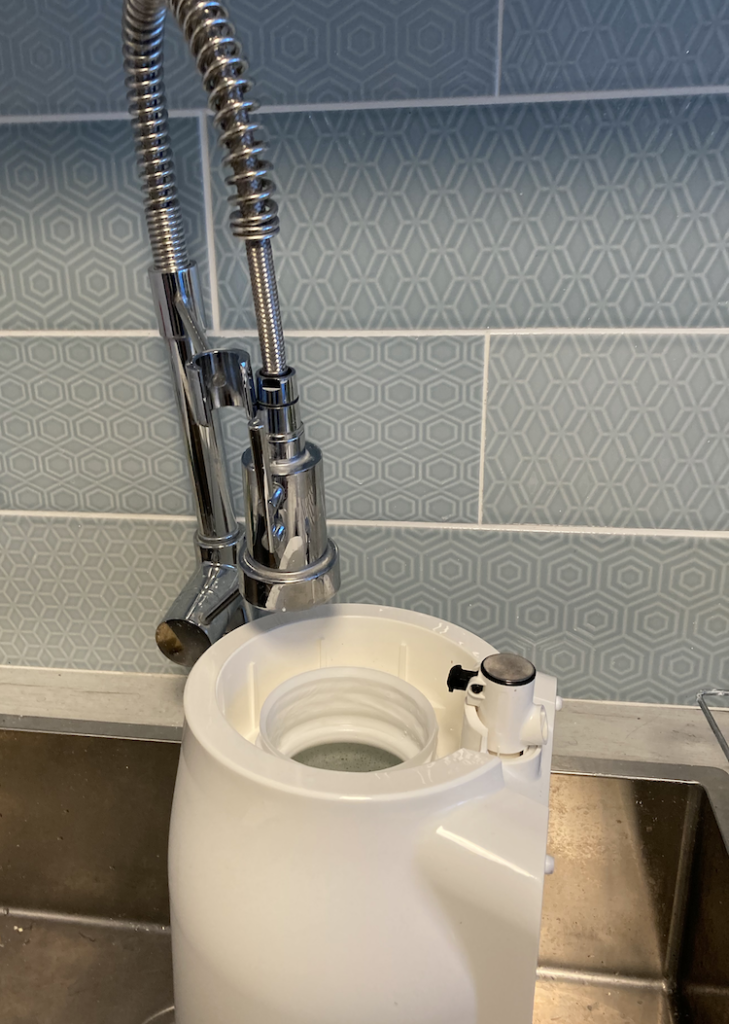
A Brewing Dock

Cleaning the brewing dock

Attaching it to the dock was far easier in my experience. There was no wrestling with it, no sense that I needed to line everything up with surgical precision, and no muttered complaints while trying to work out whether it had actually gone on properly. It just felt much more straightforward.

That might sound like a small design tweak, but in practice it makes the whole system feel more user-friendly from the off. If your first interaction with a brewing machine is frustration, it colours the rest of the experience. This time, it felt simple and confidence-inspiring instead.

Brewing Process and Setup

Pinter Front View

The basic idea remains the same as before. The Pinter is designed to let you brew, condition and serve from the same vessel, which is a big part of the appeal. It is a brewing system for people who want fresh beer at home, but do not necessarily want to go all-in on a full traditional homebrewing setup.

The process itself is fairly straightforward. You clean and sanitise the vessel, add the ingredients, fit it onto the brewing dock and then leave it to do its thing. After that, it goes into the fridge for conditioning before being tapped and poured.

One thing I liked here is that there seems to be less fiddling than before. For example, there is no need to constantly mess about with the carbonation dial. In practice, you just leave it set to 5 the whole time, which removes one more layer of uncertainty from the process.

That simplification suits the product well. It should be approachable, and the newer version feels more in keeping with that aim.

The First Brew: Public House IPA

First pour of the publish House IPA

First pour was a creamy ****in pint, but it did calm down after that. It also cleared up when it warmed a bit!

I tapped the first brew at the weekend, on the Friday, and it was the Public House IPA.

The good news is that it came out really well. It tasted fresh, had a nice clean character to it, and the carbonation was spot on for the style. Not too much, not too little. It felt balanced and pleasant to drink rather than overly fizzy or a touch flat.

That freshness was probably the most encouraging thing. One of the reasons a machine like this is appealing is the idea of having beer that feels lively and newly poured, rather than something that has sat around for ages. On that front, the Public House IPA absolutely delivered.

I got most of the brew finished by Sunday. By the end of Sunday it was probably beginning to go off a little, or at least starting to lose its edge, but that feels fairly reasonable once it has been tapped and has been in use over a weekend.

For the bulk of that Friday to Sunday window though, it was very enjoyable.

Clarity, Temperature and Serving

I did not bother with a cold crash for this brew because I did not really feel I needed to. The beer still came out fairly clear, and part of that is probably down to the fact that my fridge is quite cold anyway.

It is set to around 2°C, which is colder than many people would probably use for a beer fridge. It is more like the sort of temperature you would serve a cold lager at than a traditional ale. That likely helped matters when it came to clarity and general chill.

See also  Brewing with Thornbridge

Another positive is that once the Pinter comes out of the fridge, it seems to hold the cold pretty well. You can pour from it over a period of time without immediately worrying that it is all going to warm up too quickly.

So while I may experiment with different approaches later on, including more deliberate cold crashing, I did not feel short-changed by skipping it on this first brew.

Cleaning the Pinter

Cleaning was pleasantly easy.

That might not sound like the most glamorous part of any review, but it matters. There is no point having a home brewing system that produces decent beer if the clean-up afterwards is such a nuisance that you start putting off using it again.

Fortunately, that was not the case here. Once the brew was done, cleaning everything out felt pretty straightforward and did not turn into a major chore. Compared with more involved brewing equipment, that simplicity is definitely part of the appeal.

Having a decent sink helps, of course, but the main thing is that the process did not feel overcomplicated.

What Has Improved Since the Original Pinter?

Having used both versions, the main improvements seem fairly clear.

First, the build quality feels better. The newer Pinter feels sturdier and less plasticky, and it gives a stronger impression that it is built to last.

Second, the brewing dock connection is much easier. This was probably my biggest frustration with the original and one of the biggest immediate improvements in the newer machine.

Third, the system feels simpler in a good way. There seems to be less unnecessary fiddling and fewer bits that invite confusion. It feels like some of the awkwardness has been designed out.

That overall sense of refinement is what stands out most. It is not that the whole concept has changed. It is more that the rougher edges have been smoothed off.

Anything That Could Still Be Better?

The only real drawback I noticed is that the shape no longer suits my small beer fridge as well as the original one did.

It is not dramatically bigger, but because it is a little fatter and has a different profile, it does not slot into that particular space in the same way. That is not a major issue for me, but it is worth mentioning if you are hoping to fit it into a very specific fridge arrangement.

Beyond that, the one thing that will always apply with a system like this is that value depends partly on how often you use it. If it sits in a cupboard for months on end, then any brewing machine starts to look a bit indulgent. If you actually keep it in rotation and enjoy trying the brew packs, then it makes much more sense.

Is the Pinter Worth It?

That is probably the question most people are really asking.

The Pinter sits in an interesting middle ground between simply buying beer and getting heavily into traditional homebrewing. It is not trying to be a hardcore enthusiast setup with separate fermenters, all-grain brewing, bottling days and endless kit. At the same time, it offers much more involvement than just picking up a case from the supermarket.

What it does well is make the process accessible.

You get a relatively compact machine, a simplified brewing process, and a system that lets you brew, condition and pour from the same unit. For anyone who likes the idea of making fresh beer at home but does not fancy turning the kitchen into a miniature brewery, that is a pretty attractive proposition.

From my experience so far, the newer Pinter also makes a stronger case for itself than the original one did. The design feels more mature, the setup is easier, and the first brew produced beer that I was genuinely happy to drink over a weekend.

In the case of Public House IPA, the beer tasted fresh, nicely carbonated and generally very drinkable. That matters more than anything else. Clever design and neat packaging are all very well, but if the end result in the glass is disappointing then the rest of it falls flat.

Here, it did not. The beer was good.

So is the Pinter worth it? Based on what I have seen so far, I would say yes, particularly if you like the idea of fresh beer at home and want something easier and tidier than a full homebrew setup.

How Much Beer Does the Pinter Make?

The Pinter generally produces around 10 pints per brew, depending on the style and how you pour. That is enough to make it feel worthwhile, especially if you are sharing it across a weekend or having a few drinks with friends.

It is not trying to produce pub-scale quantities, obviously, but for home use it is a decent amount and enough to feel like you have actually made something worth drinking.

How Long Does a Pinter Brew Take?

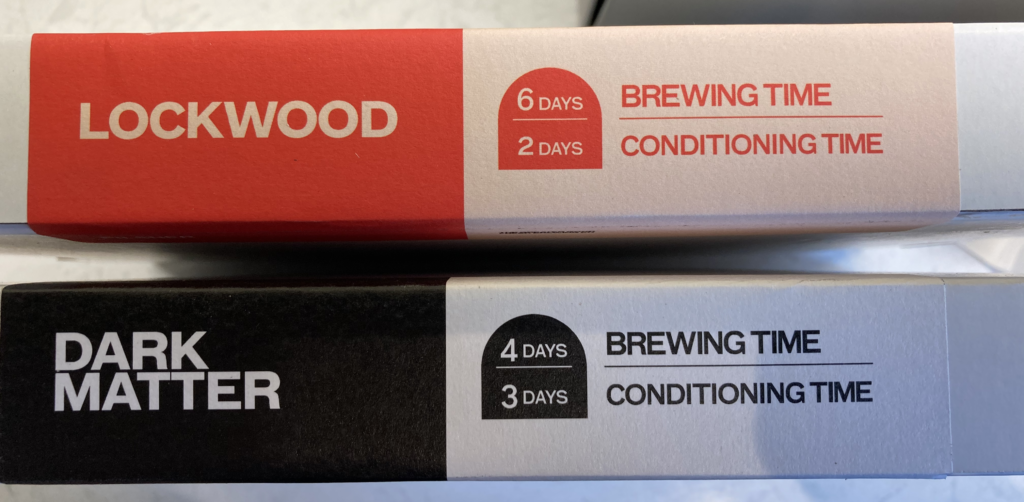
This depends on the beer style, but in general you are looking at a brewing stage followed by time in the fridge for conditioning before you tap it. Some beers are quicker than others, and some may benefit from being left longer if you want a little extra clarity or conditioning.

That timeline is part of the appeal, really. It gives you enough involvement to feel that you are brewing something, without it becoming a months-long project.

Do You Need Brewing Experience to Use the Pinter?

No, and that is clearly one of the main points of the system.

You do not need to be an experienced homebrewer to get started with the Pinter. In fact, it makes most sense for people who are curious about brewing but do not want to dive into the more technical end of the hobby straight away.

That was part of the attraction for me in the first place. It lowers the barrier to entry without stripping away the satisfaction of actually brewing something yourself.

How Long Does the Beer Stay Fresh After Tapping?

In my experience with the Public House IPA, the beer was in very good shape from Friday through most of Sunday. By the end of Sunday it was probably beginning to lose its edge slightly.

That seems fair enough for a fresh beer system like this. The main thing is that it was very enjoyable across the period when you would most likely be drinking it.

Final Thoughts

The Pinter is still a genuinely interesting bit of kit.

The concept remains appealing: brew, condition and pour fresh beer at home from a single vessel, without needing to fully commit to a more complicated homebrewing setup. That in itself will be enough to interest a lot of people.

What is more encouraging is that the newer version feels like a more convincing product than the original did. It is sturdier, easier to dock, less fiddly to use, and the first brew I tried came out very well indeed.

That does not mean it will be for everyone. If you have no real interest in brewing or know you will only use it once and forget about it, then it may not be worth the investment. But if you like beer, enjoy a bit of hands-on involvement, and fancy the idea of having fresh beer on tap at home, it is a clever and enjoyable system.

As a realistic Pinter review, my verdict so far is that the newer version is a clear improvement on the original and a much more polished bit of kit. Most importantly, it made beer I was happy to drink, which is rather the point.

I will keep updating this post as I try more brew packs, but on the evidence of the first one, the newer Pinter has made a very solid start.

Keith Greywood

Keith Greywood

Author

I'm the Founder of Bacchanalian, a food and drink blog. I write about food and drink, with a keen focus on beer.
iGulu F1 Beer Machine: First Impressions

iGulu F1 Beer Machine: First Impressions

Is the iGulu F1 more than just a beer machine? After my first brew, I share my honest thoughts on the beer, the app, the brewing experience and whether it’s worth the investment.

Titsey Green Hop Beer Festival 2024

Titsey Green Hop Beer Festival 2024

Discover my experience at Titsey Brewery’s beer festival, where local brews, Green Hop ales, delicious food, and live music made for a memorable day out in the stunning North Downs.

0 Comments

Pin It on Pinterest

Share This